


As a seasoned supplier of furniture casters, I understand the pivotal role that high - quality casters play in the functionality and longevity of furniture. In this blog, I'll share some professional insights on how to test the quality of furniture casters, which will not only help you make informed purchasing decisions but also ensure that the casters you choose meet the highest standards.

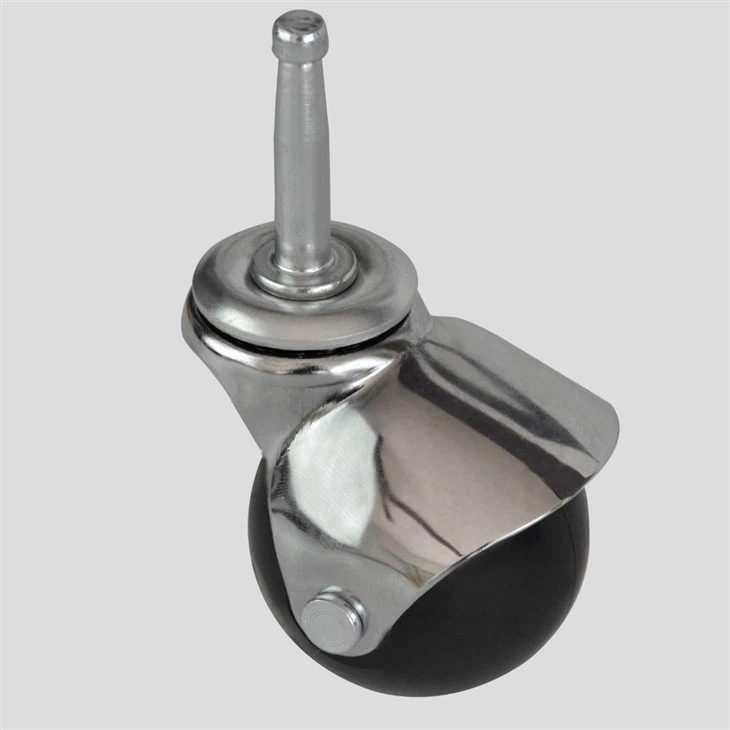
1. Visual Inspection
The first step in testing furniture casters is a thorough visual inspection. Start by examining the overall appearance of the caster. Look for any visible defects such as cracks, scratches, or uneven surfaces. These imperfections can weaken the caster's structure and lead to premature failure.
For instance, if you're considering Plastic Bed Frame Casters, check the plastic material for any signs of brittleness. A high - quality plastic caster should have a smooth finish and a consistent color throughout. Any discoloration or rough patches could indicate poor manufacturing processes or the use of low - grade materials.
Inspect the wheel and the mounting hardware as well. The wheel should be centered properly on the caster frame, and the mounting holes should be clean and free of burrs. This ensures that the caster can be easily installed on the furniture without any issues.
2. Mobility and Rolling Test
One of the most important functions of a furniture caster is its ability to roll smoothly. To test the mobility of a caster, place it on a flat and clean surface. Push the caster gently in different directions to see how it moves.
A good caster should roll freely without any jerks or resistance. If the caster makes a grinding or squeaking noise while rolling, it could be a sign of poor bearing quality or improper lubrication. For Bed Frame Caster, smooth rolling is especially crucial as it allows for easy movement of the bed, which is convenient for cleaning and rearranging the room.
You can also test the swivel function of the caster if it is a swivel caster. Rotate the caster 360 degrees and observe how smoothly it turns. A well - designed swivel caster should rotate effortlessly, and the swivel mechanism should not feel loose or wobbly.
3. Load - Bearing Capacity Test
The load - bearing capacity of a furniture caster is a critical factor, especially for heavy - duty furniture. To determine the load - bearing capacity, you need to know the weight of the furniture that the caster will support.
First, check the manufacturer's specifications for the caster. Reputable manufacturers usually provide detailed information about the maximum load that the caster can handle. However, it's also a good idea to conduct a simple test. Place a known weight on the furniture with the casters installed and observe how the casters perform.
For example, if you're using 2 Inch Ball Casters on a bookshelf, load the bookshelf with a reasonable amount of books. Make sure the weight is evenly distributed. If the casters start to deform or show signs of excessive wear under the load, it means they may not be suitable for the intended use.
4. Durability and Wear Resistance Test
Furniture casters are constantly subjected to wear and tear, so durability is an important aspect of quality. One way to test the durability of a caster is to simulate long - term use.
You can use a wear - testing machine if available. This machine can roll the caster back and forth on a surface for a certain number of cycles to simulate real - world use. If a wear - testing machine is not available, you can also conduct a simple test at home. Push the furniture with the casters installed over a rough surface, such as a carpet with a high pile or a slightly uneven floor, for a few minutes.
After the test, inspect the caster for any signs of wear. Check the wheel for any flattening or abrasion, and examine the caster frame for any signs of bending or cracking. A high - quality caster should be able to withstand normal wear and tear for an extended period.
5. Chemical Resistance Test
In some environments, furniture casters may come into contact with various chemicals, such as cleaning agents. To test the chemical resistance of a caster, you can apply a small amount of a common cleaning agent to the caster and let it sit for a short period.
After a few minutes, wipe off the cleaning agent and inspect the caster for any changes. If the caster's surface becomes discolored, softens, or shows signs of corrosion, it means the caster has poor chemical resistance. This is especially important for casters used in kitchens or bathrooms, where they are more likely to be exposed to chemicals.
6. Noise Level Test
Noise can be a nuisance, especially in a quiet environment. To test the noise level of a furniture caster, place the furniture with the casters on a hard surface and move it around. Listen carefully for any loud or annoying noises.
A high - quality caster should produce minimal noise during movement. If the caster makes a lot of noise, it could be due to poor quality bearings or the material of the wheel. For example, rubber - wheeled casters generally produce less noise than metal - wheeled casters.
Conclusion
Testing the quality of furniture casters is a comprehensive process that involves multiple aspects, including visual inspection, mobility, load - bearing capacity, durability, chemical resistance, and noise level. By conducting these tests, you can ensure that you choose the right casters for your furniture.
As a trusted supplier of furniture casters, I am committed to providing high - quality products that meet the diverse needs of our customers. If you are in the market for furniture casters and want to discuss your specific requirements, I invite you to reach out to me. Whether you need Plastic Bed Frame Casters, Bed Frame Caster, or 2 Inch Ball Casters, I am here to help you make the best choice.
References
- "Furniture Caster Design and Manufacturing Handbook"
- Industry standards and guidelines for furniture casters