


When it comes to setting up a bed on an uneven floor, one of the most common challenges is ensuring that the bed legs remain stable after screwing them in. As a supplier of Screw in Bed Legs, I've encountered this issue numerous times and have gathered a wealth of knowledge on how to tackle it effectively. In this blog, I'll share some practical tips and solutions to help you make your bed legs more stable on an uneven floor.
Understanding the Problem
Before we delve into the solutions, it's important to understand why bed legs may become unstable on an uneven floor. Uneven floors can cause the weight of the bed to be distributed unevenly, putting more stress on some legs than others. This can lead to wobbling, creaking, and even damage to the bed frame over time. Additionally, if the bed legs are not properly screwed in or if the floor surface is too soft or slippery, it can further exacerbate the problem.

Assessing the Floor
The first step in making your bed legs more stable is to assess the condition of the floor. Use a level to determine how uneven the floor is and identify any high or low spots. You can also use a piece of paper to test the stability of the bed by placing it under each leg. If the paper can be easily pulled out, it indicates that the leg is not making full contact with the floor and needs to be adjusted.
Choosing the Right Bed Legs
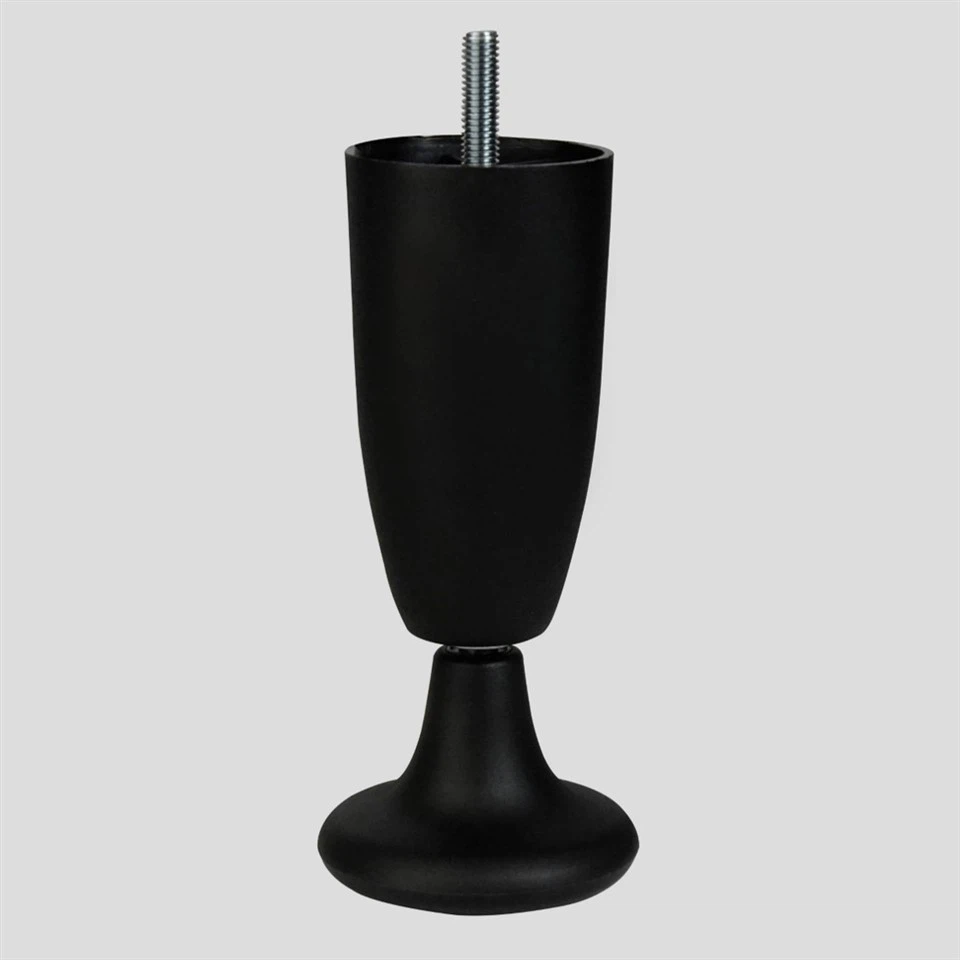
Not all bed legs are created equal, and choosing the right ones can make a significant difference in the stability of your bed. Look for bed legs that are made of high-quality materials, such as solid wood or metal, and have a wide base to provide better support. You may also want to consider bed legs with adjustable feet, which allow you to compensate for uneven floors by adjusting the height of each leg.
Using Furniture Glides
Furniture glides are another effective solution for making your bed legs more stable on an uneven floor. These small devices are designed to be attached to the bottom of the bed legs and provide a smooth, stable surface for the bed to rest on. There are several types of furniture glides available, including Screw in Plastic Chair Glides, which are easy to install and can be adjusted to compensate for uneven floors, and Swivel Furniture Glides, which allow the bed to move smoothly across the floor without scratching or damaging it.
Adding Bed Frame Support Feet
If your bed frame is particularly large or heavy, you may want to consider adding Bed Frame Support Feet to provide additional support. These feet are typically placed in the center of the bed frame and help to distribute the weight of the bed more evenly, reducing the stress on the bed legs and preventing wobbling.
Adjusting the Bed Legs
Once you have chosen the right bed legs and furniture glides, it's time to adjust the height of each leg to ensure that the bed is level. Start by placing the bed in the desired location and using a level to check the alignment of the bed frame. If the bed is not level, use a wrench or pliers to adjust the height of each leg until the bed is perfectly level. You may need to make small adjustments to each leg several times to achieve the desired level of stability.
Securing the Bed Legs
After adjusting the height of the bed legs, it's important to secure them in place to prevent them from loosening over time. Use a screwdriver or drill to tighten the screws or bolts that hold the bed legs in place, making sure that they are snug but not over-tightened. You may also want to consider using a thread-locking compound to prevent the screws from vibrating loose.
Using Shims
If you have tried all of the above methods and your bed legs are still unstable, you may need to use shims to level the bed. Shims are thin pieces of material, such as wood or plastic, that can be placed under the bed legs to compensate for uneven floors. To use shims, simply place them under the legs that are not making full contact with the floor and adjust the height until the bed is level.
Maintaining the Stability of Your Bed
Once you have made your bed legs more stable on an uneven floor, it's important to maintain the stability of your bed over time. Here are some tips to help you do this:
- Avoid overloading the bed: Make sure that you do not exceed the weight limit of your bed, as this can put additional stress on the bed legs and cause them to become unstable.
- Regularly check the tightness of the bed legs: Periodically check the screws or bolts that hold the bed legs in place and tighten them if necessary to prevent them from loosening over time.
- Clean the floor regularly: Keep the floor clean and free of debris to prevent the bed legs from slipping or scratching the floor.
- Use a mattress protector: A mattress protector can help to protect your mattress from spills and stains, as well as reduce the friction between the mattress and the bed frame, which can help to maintain the stability of your bed.
Conclusion
Making your bed legs more stable on an uneven floor is not as difficult as it may seem. By following the tips and solutions outlined in this blog, you can ensure that your bed remains stable and comfortable for years to come. If you have any questions or need further assistance, please do not hesitate to contact me. As a supplier of Screw in Bed Legs, I am committed to providing high-quality products and excellent customer service. Whether you are a homeowner, a furniture manufacturer, or a retailer, I can help you find the right bed legs and accessories to meet your needs. So, don't let an uneven floor ruin your sleep. Take action today and make your bed legs more stable!
References
- "Furniture Leveling: How to Level Your Furniture on Uneven Floors." The Spruce, https://www.thespruce.com/how-to-level-furniture-on-uneven-floors-1388913.
- "How to Make a Wobbly Bed Stable." Home Guides, SF Gate, https://homeguides.sfgate.com/make-wobbly-bed-stable-53727.html.
- "Bed Frame Support: How to Keep Your Bed Frame from Sagging." Sleep Foundation, https://www.sleepfoundation.org/bed-frames/bed-frame-support.