


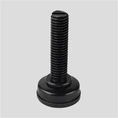
As a supplier of Bed Legs Castors, I often encounter customers who are concerned about the potential damage that castors can cause to their floors. Scratches on the floor not only mar the aesthetic appeal of a room but can also reduce the overall value of the property. In this blog post, I will share some effective strategies on how to prevent bed legs castors from scratching the floor, ensuring that your floors remain in pristine condition while still enjoying the convenience of movable beds.
Understanding the Problem
Before we delve into the solutions, it's important to understand why bed legs castors can scratch the floor. Castors, especially those made of hard materials like metal or plastic, can create friction against the floor surface when the bed is moved. This friction can lead to scratches, scuffs, and even gouges, depending on the hardness of the castor and the floor material. Additionally, the weight of the bed can exacerbate the problem, as it increases the pressure exerted by the castors on the floor.
Choosing the Right Castors
One of the most effective ways to prevent floor scratches is to choose the right type of castors for your bed. Here are some factors to consider when selecting castors:
- Material: Opt for castors made of soft materials such as rubber or felt. These materials are less likely to scratch the floor compared to hard materials like metal or plastic. Rubber castors, in particular, provide excellent shock absorption and traction, reducing the risk of scratches and noise.
- Size: The size of the castors can also affect their impact on the floor. Larger castors distribute the weight of the bed more evenly, reducing the pressure on the floor surface. This can help prevent scratches and damage, especially for heavier beds.
- Wheel Design: Look for castors with smooth, rounded wheels. Sharp edges or rough surfaces on the wheels can increase the likelihood of scratching the floor. Additionally, consider castors with a swivel design, which allows for easy maneuverability and reduces the need for dragging the bed across the floor.
Some of the castors we offer that are suitable for preventing floor scratches include 1 Inch Fixed Caster Wheels and 2 Inch Ball Casters. These castors are made of high-quality materials and are designed to provide smooth, quiet operation while protecting your floors.
Using Floor Protectors
In addition to choosing the right castors, using floor protectors can provide an extra layer of protection for your floors. Here are some types of floor protectors that you can use:
- Caster Cups: Caster cups are small, cup-shaped devices that fit over the castors. They are typically made of soft materials such as rubber or felt and provide a cushioning effect between the castors and the floor. Caster cups can help prevent scratches and damage, especially on hard floors such as hardwood or tile.
- Felt Pads: Felt pads are another popular option for protecting floors from scratches. They can be attached to the bottom of the castors using adhesive or double-sided tape. Felt pads are soft and gentle on the floor surface, reducing the risk of scratches and scuffs.
- Area Rugs: Placing an area rug under the bed can also help protect the floor from scratches. The rug acts as a buffer between the castors and the floor, absorbing the impact and reducing the friction. Choose a rug with a thick pile or a non-slip backing to ensure maximum protection.
Proper Bed Maintenance
Proper bed maintenance is also essential for preventing floor scratches. Here are some tips to keep in mind:
- Regular Cleaning: Keep the castors clean and free of debris. Dirt, dust, and small particles can get trapped in the castors and cause scratches on the floor. Use a soft brush or cloth to clean the castors regularly.
- Lubrication: Lubricate the castors periodically to ensure smooth operation. This can help reduce friction and prevent the castors from sticking or dragging on the floor. Use a lubricant specifically designed for castors, such as silicone spray or graphite powder.
- Avoid Overloading: Do not overload the bed with excessive weight. Overloading can put additional stress on the castors and increase the risk of scratches and damage to the floor. Make sure the weight of the bed and its contents is evenly distributed.
Moving the Bed Correctly
Finally, it's important to move the bed correctly to prevent floor scratches. Here are some tips to follow:
- Lift, Don't Drag: When moving the bed, lift it slightly off the floor instead of dragging it. This can help reduce the friction between the castors and the floor and prevent scratches.
- Use a Dolly: If you need to move the bed a long distance, consider using a dolly. A dolly can help distribute the weight of the bed more evenly and make it easier to move without scratching the floor.
- Plan Ahead: Before moving the bed, plan your route and remove any obstacles that could cause the bed to bump or scrape against the floor. This can help minimize the risk of scratches and damage.
Conclusion
Preventing bed legs castors from scratching the floor is essential for maintaining the beauty and value of your floors. By choosing the right castors, using floor protectors, practicing proper bed maintenance, and moving the bed correctly, you can ensure that your floors remain in pristine condition for years to come.


As a supplier of Bed Legs Castors, we are committed to providing high-quality products that meet the needs of our customers. If you have any questions or need assistance in selecting the right castors for your bed, please feel free to contact us. We would be happy to help you find the perfect solution for your needs.
References
- "How to Protect Your Floors from Furniture Scratches." The Spruce, https://www.thespruce.com/how-to-protect-floors-from-furniture-scratches-1388827.
- "Choosing the Right Furniture Casters." Bob Vila, https://www.bobvila.com/articles/furniture-casters/.
- "Floor Protectors: Types and Uses." HGTV, https://www.hgtv.com/design/decorating/design-101/floor-protectors-types-and-uses.