


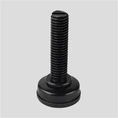
Hey there! I'm a supplier of screw-in bed castors, and I know how crucial it is to get the measurements right when it comes to these little but mighty components. In this blog, I'll walk you through the process of measuring for screw-in bed castors, so you can make sure you're getting the perfect fit for your beds.
Why Accurate Measurements Matter
First off, let's talk about why accurate measurements are so important. When you're dealing with screw-in bed castors, a wrong measurement can lead to all sorts of problems. The castors might not fit properly, which could cause the bed to be unstable. That's a major safety hazard, not to mention it can also damage the castors and the bed itself over time. On the flip side, getting the right measurements ensures that your bed moves smoothly and securely, and the castors will last longer.
What You'll Need
Before you start measuring, gather the following tools:


- A tape measure: Make sure it's long enough to measure all the distances you'll need. A standard 12 - foot tape measure should do the trick.
- A pencil and paper: To jot down your measurements.
- A level: This helps you ensure that the surface is flat and even, which is important for accurate measurements.
Step 1: Measure the Bed Leg Diameter
The first thing you need to measure is the diameter of the bed legs. This is crucial because the screw-in bed castors need to fit snugly onto the legs. Here's how you do it:
- Place the tape measure across the widest part of the bed leg. Make sure the tape measure is straight and not at an angle.
- Take the measurement and write it down. Measure at a few different points along the leg to ensure it's a consistent diameter. If the leg is tapered, measure the diameter at the bottom where the castor will be attached.
Most screw-in bed castors come in standard sizes, so having an accurate measurement of the bed leg diameter will help you choose the right size castors. You can find a variety of Bed Legs Castors on our website that are designed to fit different bed leg diameters.
Step 2: Determine the Screw Size
Next, you need to figure out the right screw size for your castors. The screw size depends on the type of bed leg material and the weight the castors will need to support.
- If your bed legs are made of wood, you'll typically need a wood screw. The length of the screw should be long enough to penetrate the leg securely but not so long that it comes out the other side. A good rule of thumb is to use a screw that is about two - thirds the thickness of the bed leg.
- For metal bed legs, you might need a self - tapping screw or a machine screw, depending on the design of the leg. Check the manufacturer's specifications for the recommended screw size.
When in doubt, you can always contact us, and we'll help you determine the best screw size for your specific situation.
Step 3: Measure the Mounting Hole Spacing
The mounting hole spacing refers to the distance between the holes on the castor that are used to attach it to the bed leg. This measurement is important because it needs to match the holes on the bed leg or the mounting plate.
- Use the tape measure to measure the distance between the centers of the two mounting holes on the castor. Write down this measurement.
- Check the bed leg or the mounting plate to see if it has pre - drilled holes. Measure the distance between the centers of these holes as well. Make sure the measurements match. If not, you might need to drill new holes or find a castor with a different mounting hole spacing.
Step 4: Consider the Load Capacity
Another important factor to consider is the load capacity of the castors. You need to make sure the castors can support the weight of the bed and anyone who will be using it.
- Estimate the total weight of the bed, including the mattress, bedding, and any additional items that might be on the bed.
- Divide this total weight by the number of castors you'll be using. This will give you the approximate weight each castor needs to support.
- Choose castors with a load capacity that is higher than this calculated weight. This ensures that the castors won't be overloaded and will last longer.
For lighter beds, our 2 Inch Ball Casters are a great option. They offer smooth movement and have a decent load capacity. For heavier beds, you might want to consider our heavy - duty castors.
Step 5: Check the Floor Surface
The type of floor surface where the bed will be placed also affects the choice of castors.
- If you have a hard floor, such as hardwood or tile, you can use castors with a hard wheel material, like nylon or polyurethane. These materials provide good traction and won't scratch the floor.
- For carpeted floors, castors with a soft wheel material, like rubber, are better. They can roll easily over the carpet without getting stuck.
Step 6: Measure the Overall Height
The overall height of the castor is also important, especially if you want to maintain a certain height for the bed.
- Measure the height of the existing castors (if there are any) from the bottom of the wheel to the top of the mounting plate.
- Decide if you want to keep the same height or adjust it. If you're replacing old castors, it's usually best to keep the same height to avoid any issues with the bed's stability.
Putting It All Together
Once you have all your measurements, it's time to choose the right screw - in bed castors. You can browse our wide selection of Bed Base with Castors on our website. We offer a variety of sizes, styles, and load capacities to meet your needs.
If you're still unsure about which castors are right for you, don't hesitate to reach out to us. We're here to help you make the best choice. Whether you're a furniture manufacturer, a retailer, or just someone looking to replace the castors on your own bed, we can provide you with the expert advice and high - quality products you need.
Contact us today to discuss your requirements and start the procurement process. We're committed to providing you with the best screw - in bed castors at competitive prices.
References
- "Furniture Casters: A Guide to Selection and Use" - Industry publication
- Manufacturer's specifications for various screw - in bed castors