


When it comes to assembling furniture, especially something as fundamental as screwing in bed legs, there are numerous considerations that often go unnoticed. One such question that frequently pops up is, "Should I wear gloves when screwing in bed legs?" As a supplier of Screw in Bed Legs, I've encountered this query from customers time and time again. In this blog, I'll delve into the pros and cons of wearing gloves during this task and provide you with a well - rounded perspective to help you make an informed decision.
Advantages of Wearing Gloves
1. Protection from Sharp Edges
Bed legs and the screws used to attach them can have sharp edges. When handling these components, there's a risk of getting cuts or splinters. Gloves act as a physical barrier between your skin and these potential hazards. For example, some metal bed legs might have rough edges that could easily nick your hand. A pair of work gloves can prevent such minor injuries, ensuring that your hands stay safe throughout the assembly process.
2. Improved Grip
Gloves are designed to provide a better grip on objects. When screwing in bed legs, having a firm grip on the screwdriver is crucial. If your hands are slippery due to sweat or moisture, it can be challenging to maintain control over the screwdriver, leading to stripped screws or an uneven installation. Many work gloves have textured surfaces that enhance friction, allowing you to turn the screw more effectively. This is especially important when dealing with Adjustable Bed Leg Support, which often require precise adjustments.
3. Hygiene
Bed legs might have been stored in warehouses or transported in trucks, where they can accumulate dust, dirt, or even chemicals. Wearing gloves can prevent your hands from coming into direct contact with these contaminants. This is particularly relevant if you have sensitive skin or if you're concerned about potential allergic reactions. By wearing gloves, you can keep your hands clean and avoid any skin irritations.
Disadvantages of Wearing Gloves
1. Reduced Tactile Sensitivity
One of the main drawbacks of wearing gloves is the loss of tactile sensitivity. When you're screwing in bed legs, you rely on your sense of touch to feel the resistance of the screw as it goes into the material. This feedback helps you determine if the screw is going in straight and if you're applying the right amount of force. Gloves can dampen this sensation, making it more difficult to detect if the screw is cross - threaded or if there's an obstruction. This can lead to improper installation and potential damage to the bed frame or the legs.
2. Difficulty with Small Parts
Bed leg assemblies often involve small parts such as washers or nuts. Handling these tiny components can be a challenge when wearing gloves. Gloves can make your fingers feel bulky, making it hard to pick up and manipulate these small items. For instance, if you need to insert a small washer onto a screw, it might be easier to do it with bare hands rather than with gloves on.
3. Heat and Discomfort
Depending on the type of gloves you're wearing, they can cause your hands to become hot and sweaty. This can be uncomfortable, especially if you're spending a significant amount of time screwing in bed legs. Prolonged exposure to heat and moisture inside the gloves can also lead to skin problems such as blisters or rashes.

Factors to Consider
1. Material of the Bed Legs
The material of the bed legs plays a significant role in deciding whether to wear gloves. If the bed legs are made of wood, you might not need gloves as much, as wood is generally less likely to have sharp edges or cause skin irritation. However, if the legs are made of metal or plastic with rough surfaces, gloves can provide much - needed protection.
2. Type of Screws
The type of screws used also matters. Self - tapping screws, for example, require more force to insert, and a good grip provided by gloves can be beneficial. On the other hand, if you're using pre - drilled holes and standard screws, the need for a super - strong grip might be less, and you can consider not wearing gloves for better tactile feedback.
3. Personal Preference
Ultimately, personal preference plays a crucial role. Some people feel more comfortable and confident wearing gloves, while others prefer the direct contact and sensitivity of bare hands. You should choose the option that makes you feel the most at ease and allows you to do the job efficiently.
Tips for Assembling Bed Legs
1. Prepare the Workspace
Before you start screwing in the bed legs, make sure your workspace is clean and well - lit. Remove any obstacles that could get in your way and ensure that you have all the necessary tools, such as a screwdriver or a drill.
2. Follow the Instructions
Most bed frames come with assembly instructions. Make sure to read and follow them carefully. These instructions will guide you on the correct way to attach the legs, including the order of assembly and the type of screws to use.
3. Check for Alignment
Before tightening the screws completely, check that the bed legs are properly aligned. This will ensure that the bed is stable and level. You can use a level tool to make sure the bed is perfectly horizontal.
4. Use the Right Tools
Using the right tools is essential for a successful assembly. Make sure your screwdriver or drill bit fits the screws properly. Using the wrong tool can damage the screws or the bed frame.
Our Products
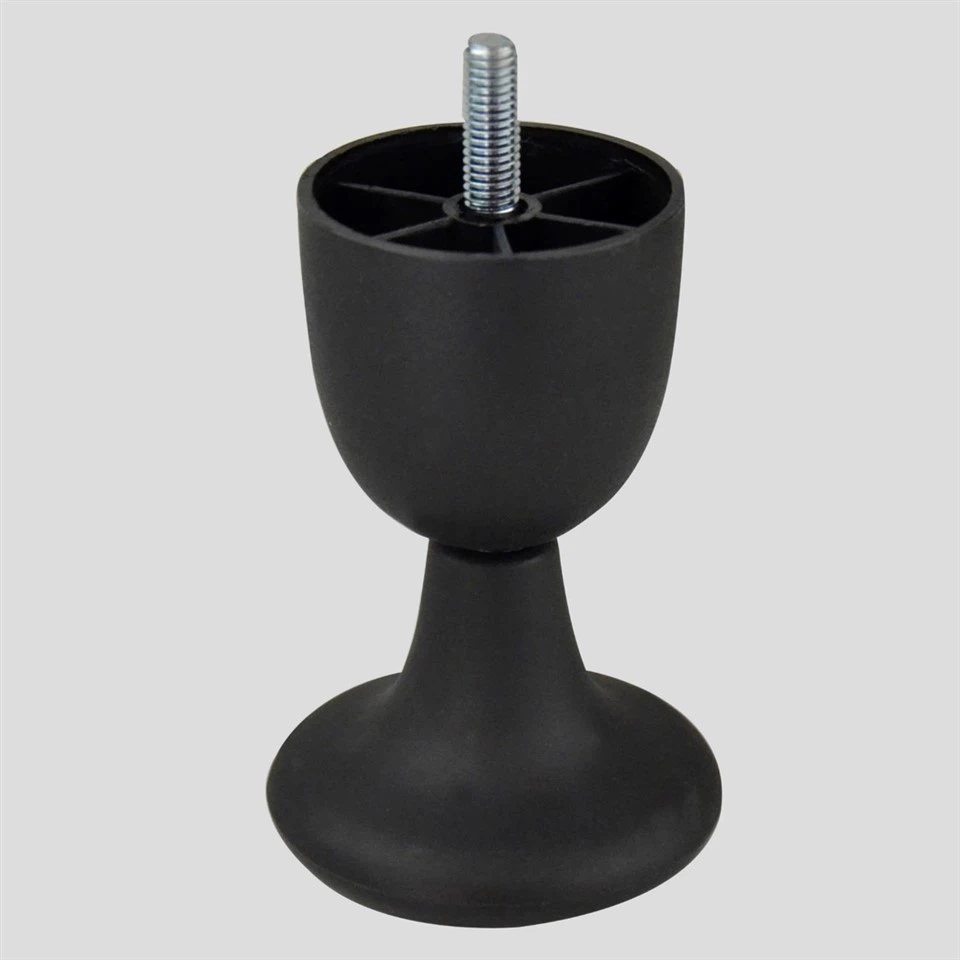
As a supplier of Screw in Bed Legs, we offer a wide range of high - quality products. Our bed legs are made from durable materials that ensure long - lasting performance. We also provide Adjustable Bed Leg Support and Bed Base Glides to meet all your bed assembly needs. Our products are designed to be easy to install, whether you choose to wear gloves or not.
Conclusion
In conclusion, whether you should wear gloves when screwing in bed legs depends on various factors. While gloves offer protection, improved grip, and hygiene, they also come with drawbacks such as reduced tactile sensitivity and difficulty handling small parts. Consider the material of the bed legs, the type of screws, and your personal preference before making a decision.
If you're in the market for high - quality bed legs or related products, we're here to help. Our team is dedicated to providing the best solutions for your furniture assembly needs. Feel free to reach out to us for more information or to discuss your procurement requirements. We look forward to working with you to ensure your bed assembly is a success.
References
- General knowledge on furniture assembly and hand protection.
- Experience gained from being a Screw in Bed Legs supplier.