


Hey there! As a supplier of Metal Leveling Feet, I often get asked about how to measure the size of metal leveling feet needed for different applications. It's a crucial step in ensuring that your furniture, machinery, or equipment stands stable and functions properly. In this blog post, I'll walk you through the process, sharing some tips and tricks along the way.
Why Measuring Matters
Before we dive into the measurement process, let's talk about why it's so important. Using the wrong size of metal leveling feet can lead to a whole bunch of problems. If the feet are too small, they won't be able to support the weight of the object, causing it to wobble or even tip over. On the other hand, if the feet are too large, they might not fit properly or could make the object sit unevenly. So, getting the right size is key to ensuring stability and longevity.
Step 1: Determine the Weight to Be Supported
The first thing you need to do is figure out how much weight the metal leveling feet will need to support. This includes the weight of the object itself, as well as any additional loads it might carry. For example, if you're leveling a piece of industrial machinery, you'll need to consider the weight of the machine, plus any materials or products it processes.
To get an accurate weight measurement, you can use a scale if the object is small enough. For larger objects, you might need to refer to the manufacturer's specifications or use a load cell. Once you have the total weight, divide it by the number of leveling feet you plan to use. This will give you the weight each foot needs to support.
Step 2: Consider the Surface Area
The next step is to think about the surface area where the leveling feet will be placed. The surface area affects the distribution of weight and the stability of the object. A larger surface area generally provides more stability, but it also requires more space.
If the surface is smooth and flat, you can use leveling feet with a smaller base. However, if the surface is uneven or rough, you'll need feet with a larger base to ensure a stable contact. You can measure the available surface area using a ruler or a tape measure. Make sure to leave some extra space around the edges to allow for adjustment.
Step 3: Evaluate the Adjustment Range
Most metal leveling feet come with an adjustment range, which allows you to fine-tune the height of the object. The adjustment range is important because it helps you compensate for uneven floors or surfaces.
To determine the required adjustment range, measure the difference in height between the highest and lowest points of the surface where the object will be placed. This will give you an idea of how much adjustment you'll need. Look for leveling feet that have an adjustment range that is greater than this measurement to ensure you can achieve a level position.
Step 4: Check the Thread Size
The thread size of the leveling feet is another important factor to consider. The thread size determines how the feet attach to the object. It's crucial to choose feet with the correct thread size to ensure a secure fit.
You can measure the thread size using a thread gauge or by referring to the manufacturer's specifications. Make sure to match the thread size of the feet with the corresponding holes or mounts on the object. If you're not sure, you can always consult with a professional or the manufacturer.
Step 5: Look at the Material and Finish
The material and finish of the metal leveling feet can also affect their performance and durability. Common materials include steel, stainless steel, and aluminum. Steel is strong and durable, but it can rust if not properly coated. Stainless steel is corrosion-resistant, making it a good choice for outdoor or wet environments. Aluminum is lightweight and corrosion-resistant, but it may not be as strong as steel.
The finish of the feet can also provide additional protection against corrosion and wear. Some common finishes include zinc plating, powder coating, and chrome plating. Choose a material and finish that is suitable for your specific application and environment.
Our Product Recommendations
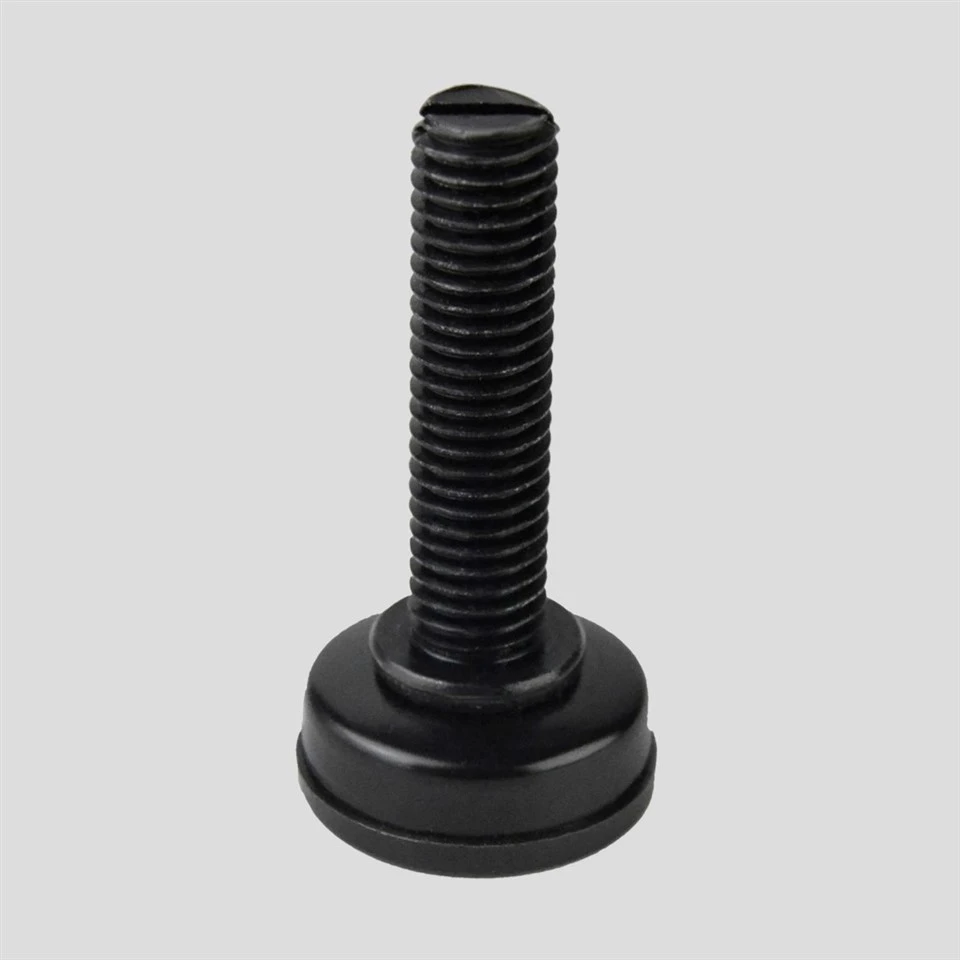
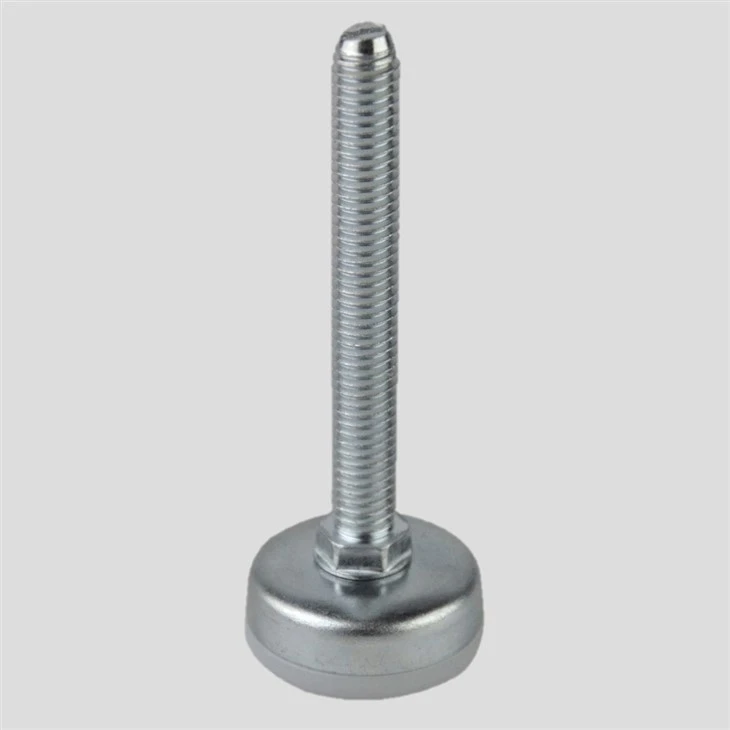
As a supplier of Metal Leveling Feet, we offer a wide range of products to meet your needs. Our Metal Furniture Levelers are perfect for leveling tables, chairs, and other furniture pieces. They come in various sizes and thread sizes, and they're easy to install and adjust.
If you need more flexibility, our Swivel Levelling Feet are a great option. These feet can swivel in multiple directions, allowing you to level objects on uneven surfaces with ease. They're also available in different load capacities and adjustment ranges.
Conclusion
Measuring the size of metal leveling feet needed is a crucial step in ensuring the stability and functionality of your objects. By following these steps and considering the factors mentioned above, you can choose the right leveling feet for your specific application.
If you have any questions or need further assistance, don't hesitate to reach out. We're here to help you find the perfect metal leveling feet for your needs. Whether you're a furniture manufacturer, an industrial equipment installer, or a DIY enthusiast, we have the products and expertise to support you. Contact us today to start the procurement process and get your hands on high-quality metal leveling feet.
References
- Machinery's Handbook, 31st Edition
- Industrial Fasteners Institute (IFI) Standards
- Manufacturer's specifications for metal leveling feet