


In the realm of industrial components, inserts play a crucial role in various applications, from automotive manufacturing to furniture assembly. Among the different types of inserts available, plastic inserts and metal inserts are two popular choices. As a supplier of plastic inserts, I often encounter questions from customers comparing the two. In this blog post, I'll delve into the key aspects of plastic inserts and metal inserts, highlighting their differences, advantages, and suitable applications.
Material Properties
Let's start by examining the fundamental material properties of plastic and metal inserts. Metal inserts, typically made from materials like steel, brass, or aluminum, are known for their high strength and durability. They can withstand heavy loads, high temperatures, and harsh environments without significant deformation. This makes them ideal for applications where structural integrity is paramount, such as in automotive engines, aerospace components, and heavy machinery.
On the other hand, plastic inserts are made from polymers like nylon, polypropylene, or polyethylene. These materials offer a range of properties, including lightweight, corrosion resistance, and electrical insulation. Plastic inserts are also known for their flexibility and impact resistance, which can help absorb vibrations and reduce noise in certain applications. Additionally, plastics can be easily molded into complex shapes, allowing for greater design flexibility compared to metal inserts.
Cost Considerations
Cost is often a significant factor when choosing between plastic and metal inserts. Metal inserts generally have a higher upfront cost due to the raw material prices and the manufacturing processes involved. For example, steel inserts require more energy-intensive production methods, such as forging and machining, which can drive up the cost. However, metal inserts may offer a lower total cost of ownership in the long run, especially in applications where their durability and strength are critical. They may require less frequent replacement and maintenance, reducing overall operational costs.
Plastic inserts, on the other hand, are typically more cost-effective in terms of raw materials and manufacturing. The injection molding process used to produce plastic inserts is relatively inexpensive and can be easily scaled up for high-volume production. This makes plastic inserts a popular choice for applications where cost is a primary concern, such as consumer products, electronics, and disposable items. However, it's important to note that the long-term performance of plastic inserts may be limited in certain harsh environments or under heavy loads, which could potentially increase replacement costs over time.
Weight and Design Flexibility
One of the significant advantages of plastic inserts is their lightweight nature. In industries where weight reduction is crucial, such as automotive and aerospace, plastic inserts can help improve fuel efficiency and reduce overall vehicle weight. For example, replacing metal inserts with plastic ones in interior components can contribute to significant weight savings without compromising functionality.
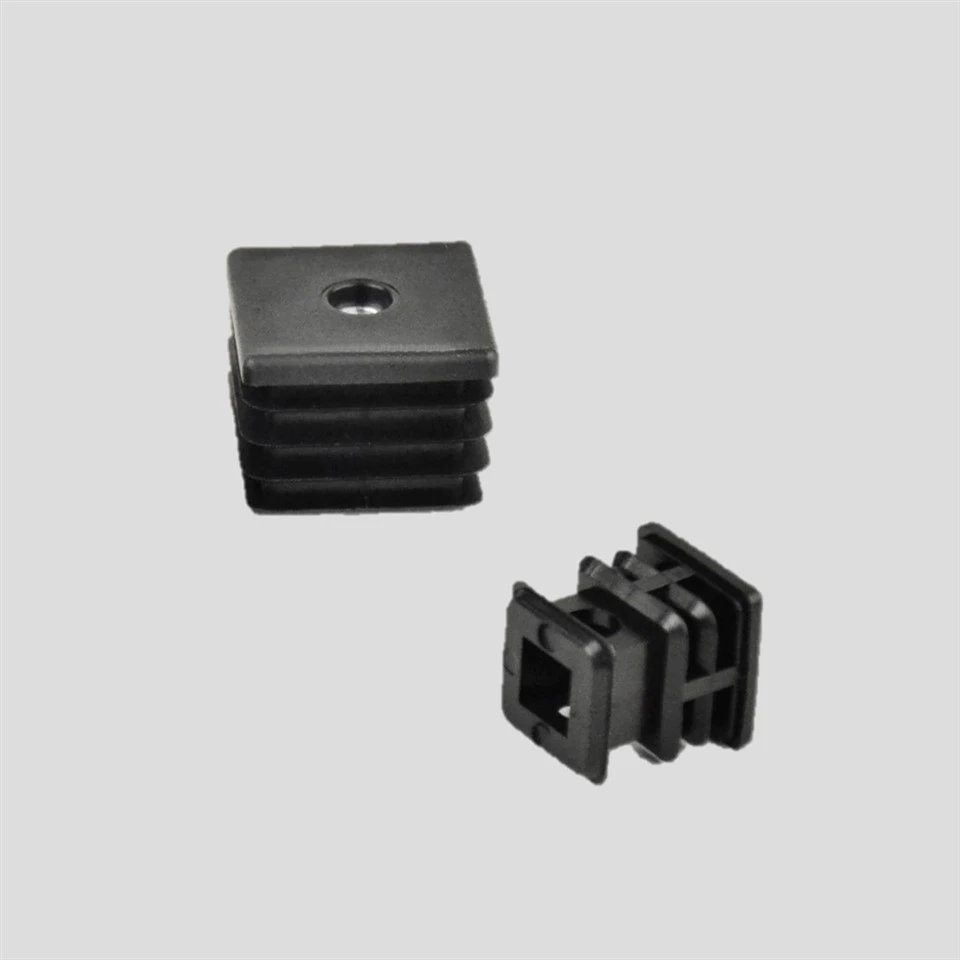

In addition to their lightweight, plastic inserts offer greater design flexibility. The injection molding process allows for the creation of complex shapes and geometries that would be difficult or impossible to achieve with metal inserts. This design flexibility enables engineers to optimize the performance of the inserts and integrate them seamlessly into the overall product design. For instance, plastic inserts can be designed with features like ribs, bosses, and snap fits, which can enhance their functionality and ease of installation.
Corrosion Resistance
Corrosion is a major concern in many industrial applications, especially in environments where moisture, chemicals, or salt are present. Metal inserts, particularly those made from steel, are susceptible to corrosion over time, which can weaken their structural integrity and reduce their lifespan. To mitigate this issue, metal inserts may require additional surface treatments, such as plating or coating, which can add to the cost and complexity of the manufacturing process.
Plastic inserts, on the other hand, are inherently corrosion-resistant. They do not rust or corrode, even in harsh environments, making them an ideal choice for applications where corrosion is a concern. For example, plastic inserts are commonly used in outdoor furniture, marine equipment, and chemical processing plants, where they can withstand exposure to moisture, saltwater, and chemicals without deteriorating.
Electrical Insulation
In applications where electrical insulation is required, plastic inserts are the clear choice. Unlike metal inserts, which are conductive, plastic inserts can provide excellent electrical insulation properties. This makes them suitable for use in electrical and electronic components, such as circuit boards, connectors, and switches. Plastic inserts can help prevent electrical short circuits and protect sensitive electronic equipment from damage.
Suitable Applications
Based on the above comparisons, we can see that plastic inserts and metal inserts each have their own unique advantages and are suitable for different applications. Here are some examples of applications where each type of insert is commonly used:
Plastic Inserts
- Consumer Products: Plastic inserts are widely used in consumer products, such as toys, household appliances, and electronics. Their cost-effectiveness, lightweight, and design flexibility make them an ideal choice for these applications. For example, Round Tubing Plugs are commonly used to seal the ends of tubes in various consumer products, providing a secure and aesthetically pleasing solution.
- Automotive Interior Components: In the automotive industry, plastic inserts are used in interior components, such as dashboard panels, door handles, and seat frames. Their lightweight nature helps improve fuel efficiency, while their design flexibility allows for the creation of stylish and functional components. Square Tube Nut Insert is a type of plastic insert commonly used in automotive interior applications to provide a threaded connection for bolts and screws.
- Medical Devices: Plastic inserts are also used in medical devices, such as syringes, catheters, and surgical instruments. Their biocompatibility, corrosion resistance, and ease of sterilization make them suitable for these applications. For example, plastic inserts can be used to provide a secure connection between different components of a medical device, ensuring its proper functioning and reliability.
Metal Inserts
- Automotive Engines and Transmission: Metal inserts are commonly used in automotive engines and transmission systems, where their high strength and durability are essential. They can withstand the high temperatures, pressures, and loads generated by the engine, ensuring reliable performance over a long period of time. For example, steel inserts are used in engine blocks and cylinder heads to provide a strong and stable mounting point for components such as pistons and valves.
- Aerospace Components: In the aerospace industry, metal inserts are used in critical components, such as aircraft wings, landing gear, and engine parts. Their high strength-to-weight ratio and resistance to fatigue make them suitable for these applications, where safety and reliability are of utmost importance. For example, titanium inserts are used in aerospace applications due to their excellent strength, corrosion resistance, and low weight.
- Heavy Machinery: Metal inserts are also widely used in heavy machinery, such as construction equipment, mining machinery, and agricultural machinery. Their ability to withstand heavy loads and harsh environments makes them essential for these applications. For example, Square Caster Socket made of metal can provide a strong and stable connection for casters in heavy machinery, allowing for smooth movement and operation.
Conclusion
In conclusion, the choice between plastic inserts and metal inserts depends on a variety of factors, including the specific application requirements, cost considerations, weight, design flexibility, corrosion resistance, and electrical insulation. As a supplier of plastic inserts, I understand the unique advantages that plastic inserts offer and can provide tailored solutions to meet the diverse needs of our customers.
If you're considering using plastic inserts in your next project or need further information on the comparison between plastic and metal inserts, I encourage you to reach out to me. I'd be happy to discuss your requirements and help you make an informed decision. Whether you're looking for Round Tubing Plugs, Square Tube Nut Insert, or Square Caster Socket, I can provide you with high-quality plastic inserts that meet your specifications.
References
- Callister, W. D., & Rethwisch, D. G. (2010). Materials Science and Engineering: An Introduction. Wiley.
- Ashby, M. F. (2011). Materials Selection in Mechanical Design. Butterworth-Heinemann.
- PlasticsEurope. (2021). Plastics – The Facts 2021. PlasticsEurope.